What Happens When You Don’t Drink Alcohol for 30 Days? (+ How to Keep the Habit Going)

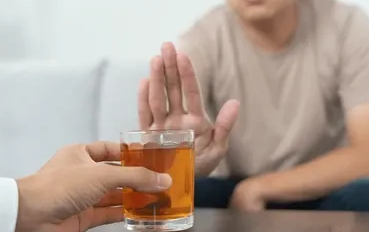
Cutting back on alcohol—even for just 30 days—can be one of the most powerful decisions you make for your body, mind, and long-term health. Whether you’re doing it for a challenge like “Sober October” or making a personal lifestyle shift, the benefits start rolling in quicker than most people expect.
Here’s what you can expect from going alcohol-free for 30 days—and how to build habits that support long-term moderation or sobriety.
What Happens to Your Body When You Stop Drinking Alcohol for 30 Days
Week 1: Better Sleep & Hydration
Even one glass of wine or beer in the evening can disrupt your sleep cycle. After a few nights without alcohol, your REM sleep improves—meaning you’ll likely wake up feeling more rested.
Alcohol is also a diuretic, so your body dehydrates more quickly when you drink. In the first week off alcohol, you’ll start to feel more hydrated, and that means better skin, improved digestion, and more energy.
Expect:
- Deeper sleep
- Less grogginess
- Clearer skin
- Fewer late-night cravings
Week 2: Mental Clarity & Mood Boosts
Alcohol can intensify anxiety and depression over time. By week two, many people report more stable moods and improved focus. The fog lifts, and your cognitive function starts to rebound.
Expect:
- Fewer mood swings
- More energy and motivation
- Sharper thinking
Week 3: Physical Health Improvements
This is when you may start to notice physical benefits. Blood pressure may begin to normalize, your liver gets a break and starts repairing itself, and you may even lose a few pounds without trying—alcohol is packed with empty calories, after all.
Expect:
- Better digestion
- Reduced bloating
- Lower blood pressure
- Weight loss (for many people)
Week 4: Stronger Immune System & New Perspective
By now, your immune system is getting stronger. Your body’s natural defenses are no longer suppressed by alcohol, which means you’re less likely to get sick. But more importantly, you’ll start noticing the emotional and psychological benefits of being in control of your habits.
Expect:
- Stronger immune response
- Improved confidence and self-discipline
- A fresh perspective on your relationship with alcohol
Long-Term Gains of Cutting Back on Drinking
If you choose to stay alcohol-free (or mostly free) beyond the 30 days, you may experience:
- A reduced risk of cancer, heart disease, and liver issues
- Better mental health
- Stronger relationships and communication
- Improved productivity and creativity
- More money in your pocket
How to Reinforce Cutting Back on Alcohol Daily
Making it through 30 days is an incredible accomplishment—but staying mindful about alcohol is where the real lifestyle shift happens. Here’s how to keep it going:
1. Know Your Triggers
Be aware of what situations or emotions make you reach for a drink. Is it stress after work? Social pressure? Boredom? Recognizing your patterns helps you interrupt them.
2. Swap the Habit, Not Just the Drink
Replace the ritual of drinking with something else:
- Have a non-alcoholic “mocktail” or herbal tea
- Try sparkling water with lime in a fancy glass
- Replace a post-dinner drink with a walk, journaling, or a short workout
3. Set Clear Boundaries
If you’re not ready to quit alcohol completely, set guidelines like:
- Only drink on weekends
- Stick to 1–2 drinks per occasion
- Only drink with food or in social settings
Being specific helps you avoid slipping into old habits.
4. Celebrate Progress, Not Perfection
Even if you slip up, don’t throw in the towel. One night of drinking doesn’t erase all your progress. Reflect on what triggered it, reset, and keep moving forward.
5. Surround Yourself With Support
Whether it’s a friend doing the challenge with you, a support group, or following sober-curious content creators, accountability helps. You’re not alone in this journey.
6. Educate Yourself
Read books or listen to podcasts that explore sobriety and alcohol culture. Some popular reads include:
- This Naked Mind by Annie Grace
- Quit Like a Woman by Holly Whitaker
- Alcohol Explained by William Porter
Knowledge empowers you to make conscious decisions.
Final Thoughts
You don’t have to commit to a lifetime without alcohol to benefit from a 30-day break. That one month can reset your system, show you how good you can feel, and help you evaluate your relationship with drinking with more clarity.
Even cutting back significantly can improve nearly every area of your life—your health, your relationships, your mental clarity, and your sense of self. Start with 30 days, and see what kind of momentum you build.
Need a jumpstart?
Try committing to just one week alcohol-free and journal how you feel each day. You might be surprised how quickly the benefits show up.


